Humanin Peptide: A Mitochondrial-Derived Molecule with Potential Research Implications
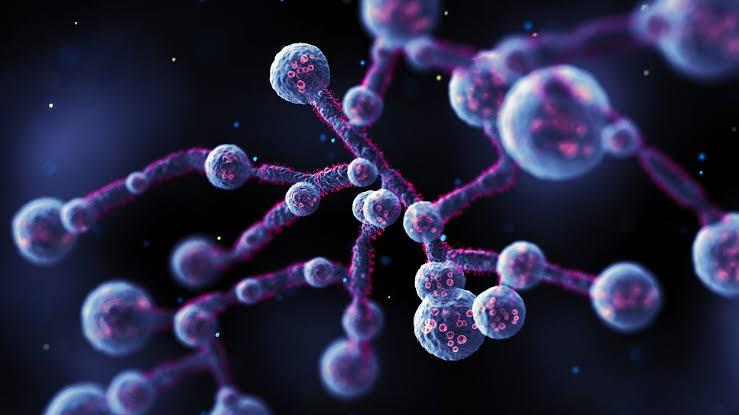
Ilustrasi

Humanin, a short peptide encoded within the mitochondrial genome, has garnered interest due to its proposed cytoprotective properties. It has been hypothesized that this peptide may play a role in cellular homeostasis, stress response, and metabolic regulation. Given its mitochondrial origin, research suggests that Humanin might interact with cellular pathways linked to cellular aging, neuroprotection, and metabolic integrity.
This article explores the potential avenues of Humanin research, including its possible impact on cellular resilience, mitochondrial function, and proteostasis. By understanding its mechanisms, future studies may uncover novel implications for this peptide in various domains of biological inquiry.
Introduction
Mitochondrial-derived peptides (MDPs) have emerged as intriguing bioactive molecules with potential implications in cellular maintenance and stress adaptation. Among them, Humanin has been identified as a mitochondrial-encoded peptide that might participate in protective intracellular signaling networks. Its discovery has prompted investigations into its putative roles in cellular defense mechanisms, particularly against oxidative and metabolic stress. As interest in mitochondrial biology expands, Humanin research may offer novel insights into how mitochondrial-derived signals contribute to physiological and pathological processes.
Potential Roles in Cellular Homeostasis Research
Humanin has been theorized to contribute to cellular homeostasis through interactions with various intracellular pathways. It has been suggested that the peptide might influence key regulators of apoptosis, possibly modulating responses to intrinsic and extrinsic cellular stressors. Additionally, Humanin is believed to participate in mitochondrial quality control mechanisms, including mitophagy and biogenesis, thereby impacting cellular energy balance and resilience.
Emerging findings purport that Humanin might be involved in proteostasis by modulating protein folding and degradation pathways. This putative role in cellular maintenance might make it an interesting subject for research in neurodegenerative conditions, where protein aggregation and cellular dysfunction are common hallmarks.
Mitochondrial and Metabolic Research Implications
Given its mitochondrial origin, Humanin has been linked to the regulation of mitochondrial activity and metabolic adaptation. Some investigations suggest that the peptide might modulate energy utilization and oxidative stress responses, potentially influencing mitochondrial efficiency. It has been theorized that Humanin may impact the expression of mitochondrial genes involved in respiration, antioxidant defense, and ATP synthesis, making it a relevant molecule for research into metabolic conditions.
Additionally, studies suggest that the peptide might interact with signaling pathways implicated in insulin sensitivity and glucose metabolism. Researchers have proposed that Humanin may impact cellular glucose uptake and insulin signaling cascades, which might have implications for metabolic research. However, further studies are required to clarify the underlying molecular mechanisms and their broader biological significance.
Hypothetical Implications in Neuroprotection
One of the more extensively explored areas of Humanin research is its proposed neuroprotective impact. Investigations indicate that the peptide might interact with signaling molecules involved in neuronal survival and synaptic integrity. It has been hypothesized that Humanin may mitigate cellular stress in neurons by engaging pathways related to mitochondrial function, oxidative resilience, and inflammation.
Moreover, research indicates that Humanin might play a role in preserving synaptic plasticity, a fundamental process in learning and memory. Researchers have suggested that this peptide may participate in adaptive neuronal responses, potentially offering a novel avenue for exploring the mechanisms underlying cognitive resilience. The possibility that Humanin interacts with neurotrophic factors further underscores its potential relevance in neurobiological research.
Cellular Stress Response and Longevity Studies
Given its apparent cytoprotective properties, Humanin has been proposed as a molecule of interest in the study of cellular aging and longevity. Investigations purport that the peptide might engage in pathways that regulate cellular stress responses, such as those involving autophagy and oxidative damage mitigation. Investigations purport that Humanin expression levels might be correlated with cellular aging-related changes, suggesting a possible role in longevity-associated molecular processes.
Some research has hypothesized that Humanin may contribute to hormesis—a biological phenomenon where low-dose stressors promote adaptive cellular responses. This concept is particularly relevant in longevity studies, as it suggests that Humanin might play a role in modulating stress resilience at the cellular level. Whether Humanin expression may influence lifespan directly remains an open question, warranting further experimental exploration.
Possible Role in Immunity Research
Recent findings suggest that Humanin might participate in immunomodulatory processes. The peptide has been proposed to interact with immune signaling pathways, possibly influencing cytokine activity and cellular stress responses in immune cells. Findings imply that by modulating inflammatory mediators, Humanin may contribute to immune regulation in various physiological and pathological contexts.
This potential immunomodulatory function positions Humanin as an interesting molecule for research into inflammatory and autoimmune processes. However, the extent of its involvement in immune homeostasis remains an area of active investigation. Further studies are necessary to determine whether Humanin might act as a mediator between mitochondrial function and immune signaling networks.
Future Research Directions
While current research suggests that Humanin may be a key player in mitochondrial and cellular homeostasis, much remains to be understood regarding its mechanisms of action. Future studies might explore its interactions with mitochondrial DNA-encoded proteins, its regulation under different stress conditions, and its potential impact on intracellular communication networks.
One intriguing direction is the potential role of Humanin in signaling. Some researchers speculate that mitochondrial-derived peptides, including Humanin, might function as endocrine-like molecules, influencing systemic biological processes. The extent to which Humanin exerts signaling functions remains an open question that warrants further exploration.
Conclusion
Humanin represents an intriguing mitochondrial-derived peptide with potential implications in multiple research domains. Its hypothesized roles in cellular homeostasis, mitochondrial function, neuroprotection, metabolic regulation, and immunomodulation highlight the breadth of its research potential. While investigations continue to elucidate its molecular mechanisms, Humanin remains a promising candidate for future studies seeking to understand the interplay between mitochondria and cellular resilience. Continued research may shed light on novel aspects of mitochondrial biology and the intricate molecular networks that sustain function. Click here for more information.





Komentar Via Facebook :